
Yes, the free Justia profile is worth claiming at every U.S. law firm, because it hands you a dofollow link and AI-visible structure at no cost, while the paid tiers only earn their price in competitive markets.
That is not a hunch. DirJournal's June 2026 scoring pass ranked 17 legal directories on authority, traffic, link type and AI citation potential, and put Justia first at 96 out of 100, calling it "the most important free legal directory on the internet in 2026." The question for your firm is narrower: claim the free listing and stop there, or add a paid placement on top? The answer turns on your practice area and your market, and the numbers below make the decision concrete.
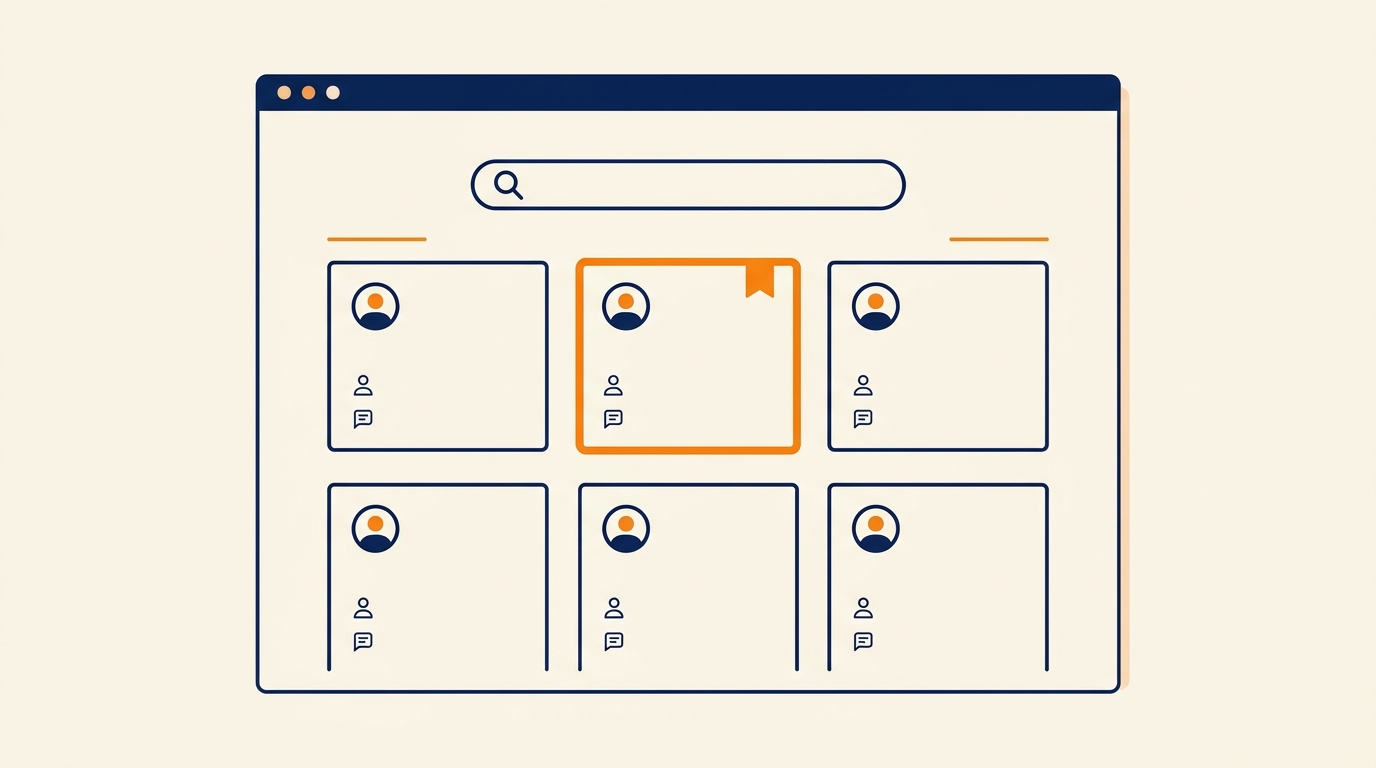
The Free Profile Delivers What Most Legal Directories Charge For
A free Justia profile includes your name, your firm name, your bar numbers, your practice areas, your website URL and your contact details, and the website link is dofollow, which means Google treats it as a vote for your site rather than a footnote. DirJournal's comparison table marks Justia and Avvo as dofollow, while FindLaw, Martindale-Hubbell and Lawyers.com links are nofollow. On a domain DirJournal rates around 90 on the Ahrefs scale, that one link is the part most legal directories either hold behind a paid plan or decline to sell at all.
Justia's own directory page confirms the rest of the deal: profiles sit on a site that draws millions of visits each month, and every Justia listing also appears in the Legal Information Institute (LII) Lawyer Directory, which Justia calls two-for-one exposure. Justia also states plainly that it does not sell backlinks. The dofollow link comes with the free profile; there is nothing to buy, and nothing to be suspicious of.
The third benefit arrived with this year's search changes. DirJournal's AI citation analysis found that when ChatGPT or Perplexity answer a question like "who are the best immigration lawyers in Chicago," they frequently pull from Justia's indexed attorney profiles, and the guide calls a complete Justia profile the single most effective action a law firm can take for AI citation likelihood. If you have read our post on AI Overviews and law firm search, this is the directory side of that story: the machines write the answer, but they name the sources they trust.
Build the Free Profile This Week: Five Fields Decide What It Earns
The profile that earns the dofollow link and the AI citation is a complete one, and completing it is about a 20-minute pass through five fields. Justia's own guidance notes that claimed profiles can be customized at no cost, so the only investment is your afternoon.
- Practice areas. List every area you actually practice, not just the one you want more work in. Directory search and AI systems both match on these fields.
- Bar admissions and jurisdictions. Every state where you hold a license, with your bar numbers.
- Education and credentials. Law school, honors, clerkships and certifications.
- Your website URL. This is the dofollow link. Point it at your firm's homepage or your strongest practice-area page.
- Contact details and office locations. A phone number a person answers, and every physical office you keep.
Order matters less than completeness. A half-filled profile still indexes, but to a prospective client it reads like an empty office, and to a language model deciding whom to cite, thin profiles are easy to skip.

Justia Connect Pro Costs $19.99 a Month, and It Is the Only Published Price
Justia publishes exactly one number on its membership page: Justia Connect Pro costs $19.99 per month, or $199.80 a year, which lowers the effective monthly cost to $16.65. Both plans carry $200 in annual Justia credit that applies to select marketing products, and the Pro tier adds CLE credits plus an enhanced profile with no competitor ads, according to Justia's own Connect page.
Everything above that tier is quoted, not published. Justia's directory page describes two placement products, a Platinum Placement with a fixed top spot on listing pages and a Gold Placement in sponsored positions above and among free profiles, but lists no price for either. DirJournal's 2026 guide reports premium profiles running roughly $150 to $500 a month depending on the market. That gap is the thing to notice: with Connect Pro you can do the math yourself before you talk to anyone, and with a placement you cannot, so get the quote in writing and hold it against your average case value before you sign.
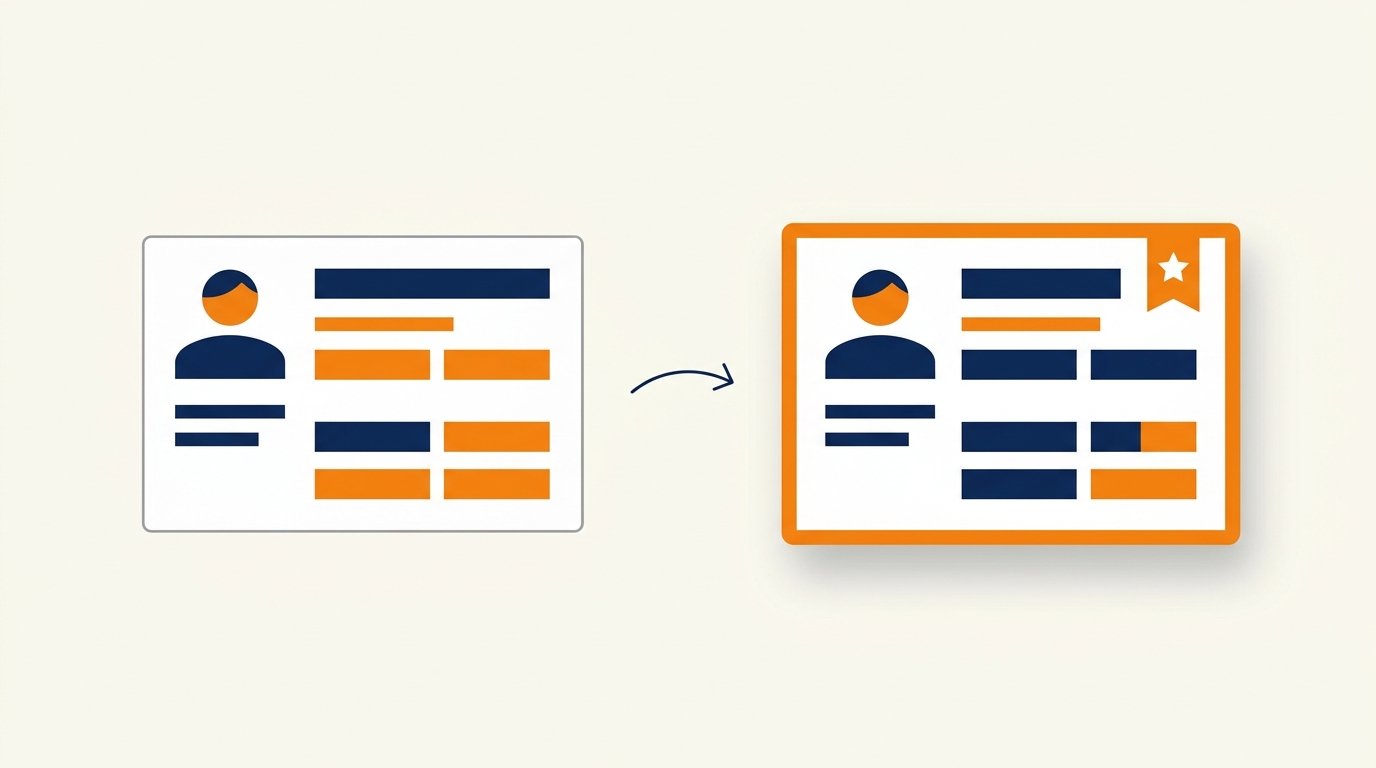
The 2026 Directory Check: Justia Scores 96 of 100 Against 17 Rivals
DirJournal scored 17 legal directories across six criteria in its June 2026 pass, with every traffic figure an Ahrefs estimate of the directory's root domain. These are the six rows a solo attorney or a firm with a few lawyers actually decides between:
| Directory | Authority (DR) | Monthly traffic | Link type | Basic cost |
|---|---|---|---|---|
| Justia | ~90 | 12M+ visits | Dofollow | Free |
| Google Business Profile | 98 | Universal | Nofollow | Free |
| FindLaw | ~90 | 11M+ visits | Nofollow | Free and paid |
| Avvo | ~88 | 8M+ visits | Dofollow | Free and paid |
| Martindale-Hubbell | ~84 | 3M+ visits | Nofollow | Free and paid |
| Super Lawyers | ~86 | 4M+ visits | Nofollow | Invite only |
Read the table as a sequence, not a shopping list. Four of the six are free at the basic tier, so claim Justia, your Google Business Profile and Avvo before you spend a dollar on any placement. Your Business Profile is its own discipline; our post on what moves a Business Profile up the local results covers the levers you control there.
One structural change is worth knowing before you take quotes. DirJournal notes that Martindale-Hubbell, Avvo, Lawyers.com and Nolo now sit under one owner, Internet Brands. When a single company owns four of the directories on your list, compare their quotes against each other rather than taking the first one, and remember that the free tier on each still does the citation work.
Directory profiles also only persuade when the reviews attached to them hold up. Our guide to the best lawyer review sites compares them for referral work, our post on when Avvo is worth it covers the Avvo side in detail, and our piece on how the Super Lawyers badge works explains the invitation process. For the platform where most clients actually check you first, see what Google reviews do for a law firm.
When a Paid Placement Earns Its Keep, and How to Tell in 30 Days
DirJournal's verdict on the paid upgrade is market-specific: in high-competition markets such as New York personal injury, a premium placement "can be worth modelling against your average case value," while in smaller markets "the free profile often delivers comparable results." That matches what a solo attorney usually sees: in a mid-size market, the free tier plus a claimed and complete profile across the free directories already covers the citation work, and the placement question is about visibility, not survival.
Run the free profile for 30 days, then look at three numbers. First, referral traffic from justia.com in Google Search Console. Second, the contact forms and calls that name the directory or arrive through its profile link. Third, the written quote for any placement you are considering. At Bright Forge Digital Solutions we read every directory the same way we read a billboard: it is a channel, and it either pays for itself or it is decoration.
If the referral column is still empty after a month, the paid tier is not where your next case is coming from. Put that budget into your Business Profile and your review pipeline instead, and revisit the quote only when your market's competitiveness changes.
Frequently Asked Questions About Justia for Law Firms
Is Justia free for lawyers?
Yes. A basic listing in the Justia Lawyer Directory is free, and Justia's Connect Practice Membership is free as well. Justia Connect Pro adds CLE credits, an enhanced profile with no competitor ads and $200 in annual Justia credit for $19.99 a month, according to Justia's membership page.
Does a Justia profile help SEO?
It gives you a dofollow link from a domain DirJournal rates around 90, plus a citation that reinforces your firm's name, address and phone consistency across the web. It is one signal among many, and it works alongside your Google Business Profile and reviews rather than replacing them.
How does Justia compare with Avvo?
Avvo auto-generates a profile for nearly every licensed U.S. attorney from state bar records and rates lawyers on a 1 to 10 scale, per DirJournal's guide. Justia profiles are opt-in and earn their value from completeness. Claim both; they do different jobs. Our post on when Avvo is worth it covers the Avvo side in detail.
Can a Justia profile show up in ChatGPT or Google AI answers?
DirJournal's citation analysis found Justia profiles cited heavily by ChatGPT and Perplexity on lawyer-recommendation questions. What the models can read is completeness, so fill every field before you spend anything on placements.
How long until a Justia profile shows results?
Indexing takes time and referral traffic builds gradually. Check the justia.com referral line in Google Search Console after 30 days, and judge any paid placement against its written quote and the referrals it brought, not against hope.
The Verdict: Claim It Free First, Let Your Market Decide the Upgrade
For a solo attorney or a firm with a few lawyers outside the biggest coastal markets, "is Justia worth it" has a two-step answer. Step one costs nothing and pays in authority and AI citations: claim the free profile this week and complete all five fields. Step two is a market decision: hold any Platinum or Gold quote against your average case value, give it 30 days of referral data, and renew it only if the math works. That sequence costs you an afternoon and, at most, one month of one placement fee to find out what Justia can do for your firm.