Design Psychology: Emotional Branding for Family Law Firms
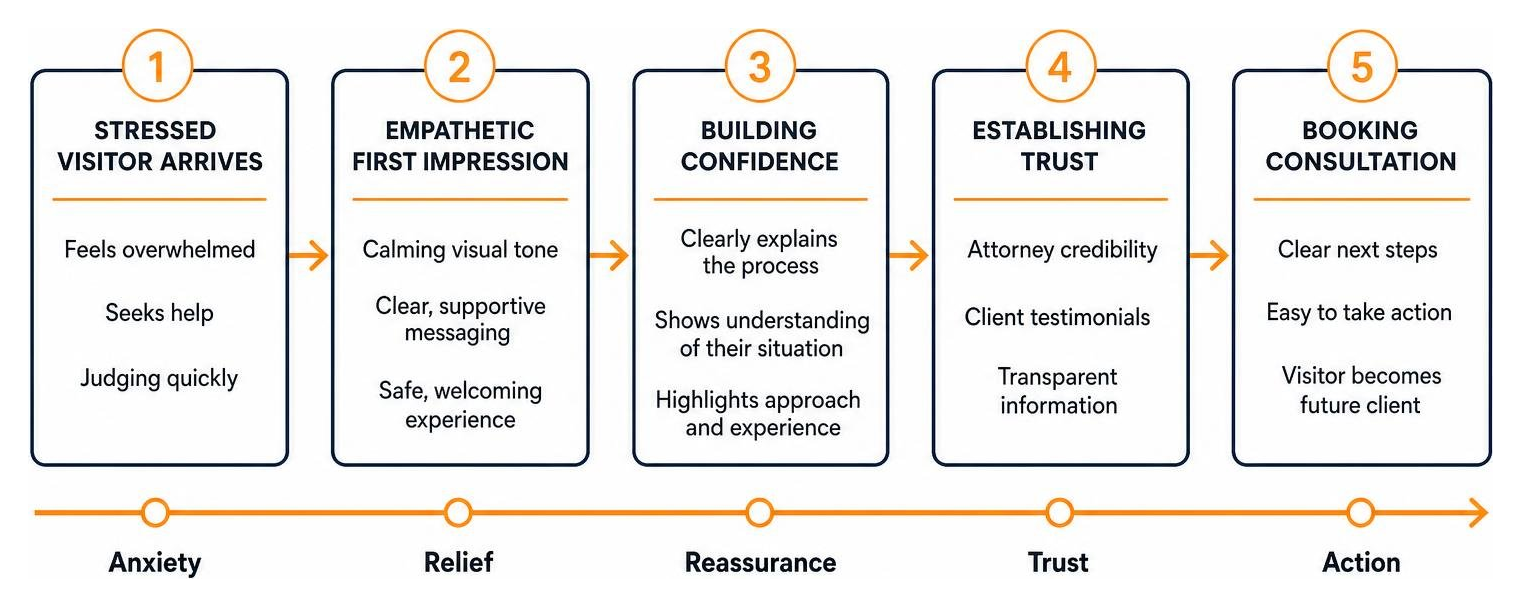
When prospective clients visit a family law website, they are rarely browsing casually. They are often experiencing one of the most chaotic, emotionally draining periods of their lives. In these moments, design psychology plays a pivotal role in shaping their immediate reaction to your practice. Before a visitor reads a single paragraph about your legal credentials or courtroom victories, your site's visual architecture communicates whether your firm is a safe harbor or just another source of stress.
Creating Winning Websites for family law requires shifting away from aggressive, corporate legal marketing aesthetics. Instead, high-converting platforms focus on emotional resonance, reassurance, and trust.
Emotional Tone and Color Palettes in Divorce Attorney Website Design
Principles of color psychology directly influence human emotion and subconscious trust. Traditional law firm websites often rely heavily on dark navy blue, harsh black, or bold crimson tones designed to signal dominance and power. While those colors might work for criminal defense or personal injury litigation, they can feel cold, confrontational, or intimidating to someone seeking a sensitive family law resolution.
Modern divorce attorney website design favors softer, more balanced color palettes that promote tranquility and psychological safety:
- Soft Slate Blues and Muted Teals: These shades convey professional stability while offering a calming, serene visual presence.
- Warm Sage Greens: Green is naturally associated with renewal, fresh starts, and stability, helping visitors feel grounded.
- Warm Taupes, Creams, and Soft Neutrals: Replacing stark white backgrounds with warm neutrals reduces visual harshness and creates an inviting, accessible environment.
Complementing these color schemes with supportive imagery is equally crucial. High-contrast stock photos of stern lawyers in dark courtrooms or harsh gavels hitting wooden desks tend to heighten anxiety. Modern practices replace those tired clichés with supportive, human-centered visuals—such as compassionate attorney-client conversations, serene natural environments, or warm portraits that emphasize approachable counsel.
Reducing Visitor Stress Through UX Layout and White Space
A crowded layout overwhelms an anxious mind. When a visitor lands on a webpage packed with dense text blocks, flashing popups, and competing banners, cognitive fatigue sets in, leading to high bounce rates. Generous white space (or negative space) gives your content room to breathe, making complex information dramatically easier to process.
To build a low-pressure user experience (UX) layout, structure your pages around clear visual hierarchies:
- Lead with empathetic hero headlines: Swap cold statements like "Full-Service Family Law Litigation Firm" for comforting, human messaging such as "Guiding You Through Life's Transitions with Compassion and Clarity."
- Break up text with rounded UI elements: Hard, sharp angles in web containers can feel rigid and abrasive. Soft, rounded cards and buttons create a softer, more modern interface.
- Implement low-pressure Calls-to-Action (CTAs): Demanding that visitors "Hire Us Today" or "Call Immediately" creates unnecessary panic. Use gentle, action-oriented CTAs like "Schedule a Confidential Conversation" or "Request Your Private Consultation."
Core Elements of Divorce Attorney Website Design
To turn casual traffic into qualified appointments, your digital presence must balance emotional comfort with operational efficiency. A well-designed site guides visitors seamlessly from curiosity to confidence, helping your practice realize 4x Conversions compared to outdated, generic legal directories.
Authentic Personal Touches That Drive Consultation Conversions
Divorce cases involve intimate personal details, family dynamics, and financial security. Clients will not hire a firm based purely on abstract claims; they hire attorneys they feel they can personally trust. Authentic human elements bridge the distance between a screen and a real conversation.

- Professional, Warm Attorney Portraits: Skip rigid, stoic headshots. Use approachable portraits where team members wear natural expressions and professional yet comfortable attire.
- Video Introductions: A brief, 60-second video welcoming visitors to your site allows prospects to hear your voice, assess your temperament, and sense your empathy before making a call.
- Authentic Testimonials and Client Stories: Highlight real feedback focusing on the peace of mind, communication, and emotional support your firm provided during their proceedings.
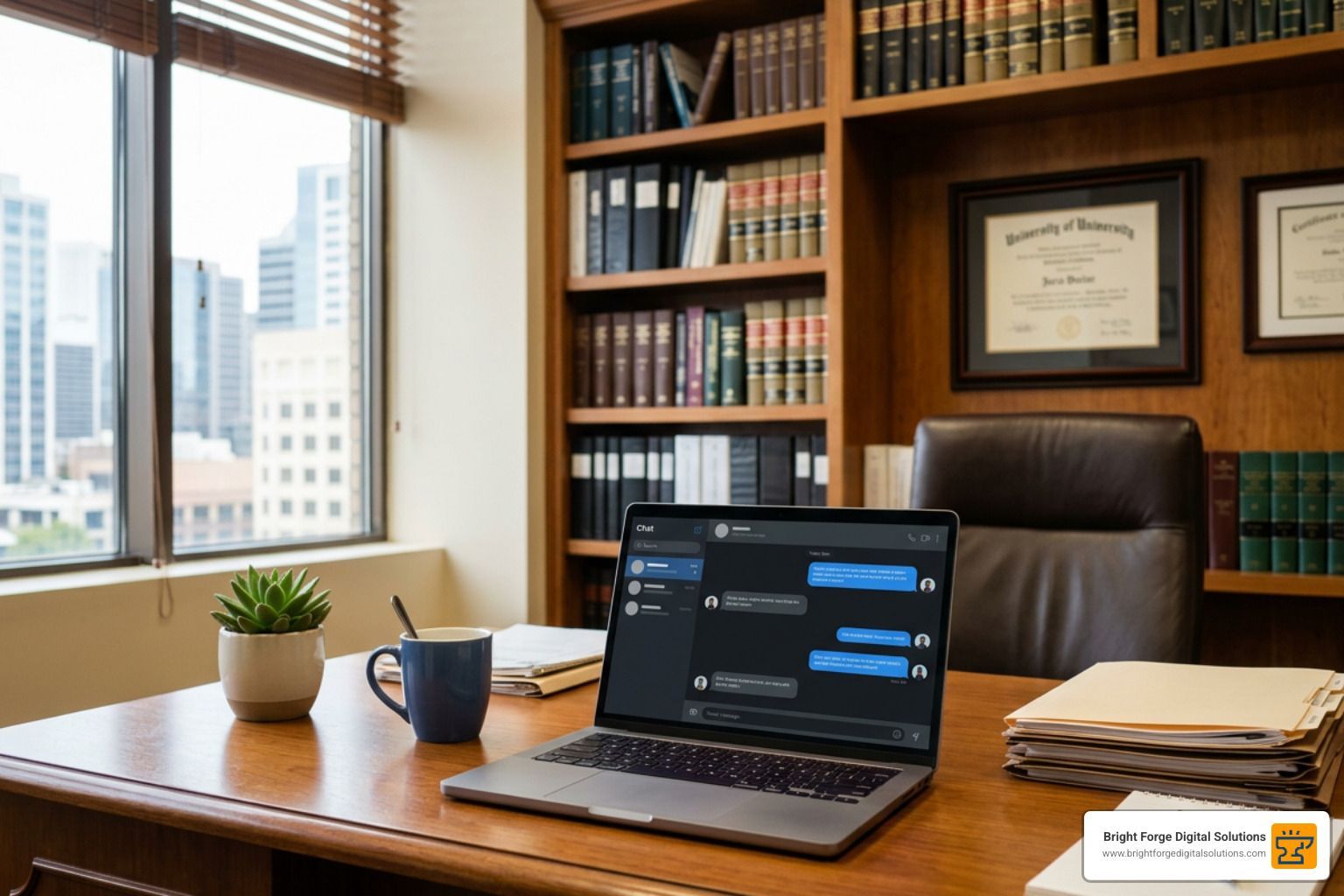
- Integrated Video Chat & Scheduling: Giving visitors the ability to select a virtual consultation slot directly on the page lowers friction for individuals who may feel uncomfortable calling from home or work.
Interactive Tools and Smart Content Layout for Stressed Prospects
Stressed prospects need quick answers without having to wade through dense statutes. Structuring your content into digestible, interactive modules makes information gathering effortless.
- Intuitive, Topic-Based Navigation: Group navigation menus around practical user needs—such as "Child Custody & Visitation," "Asset & Property Division," or "Uncontested Divorce"—rather than generic legal categories.
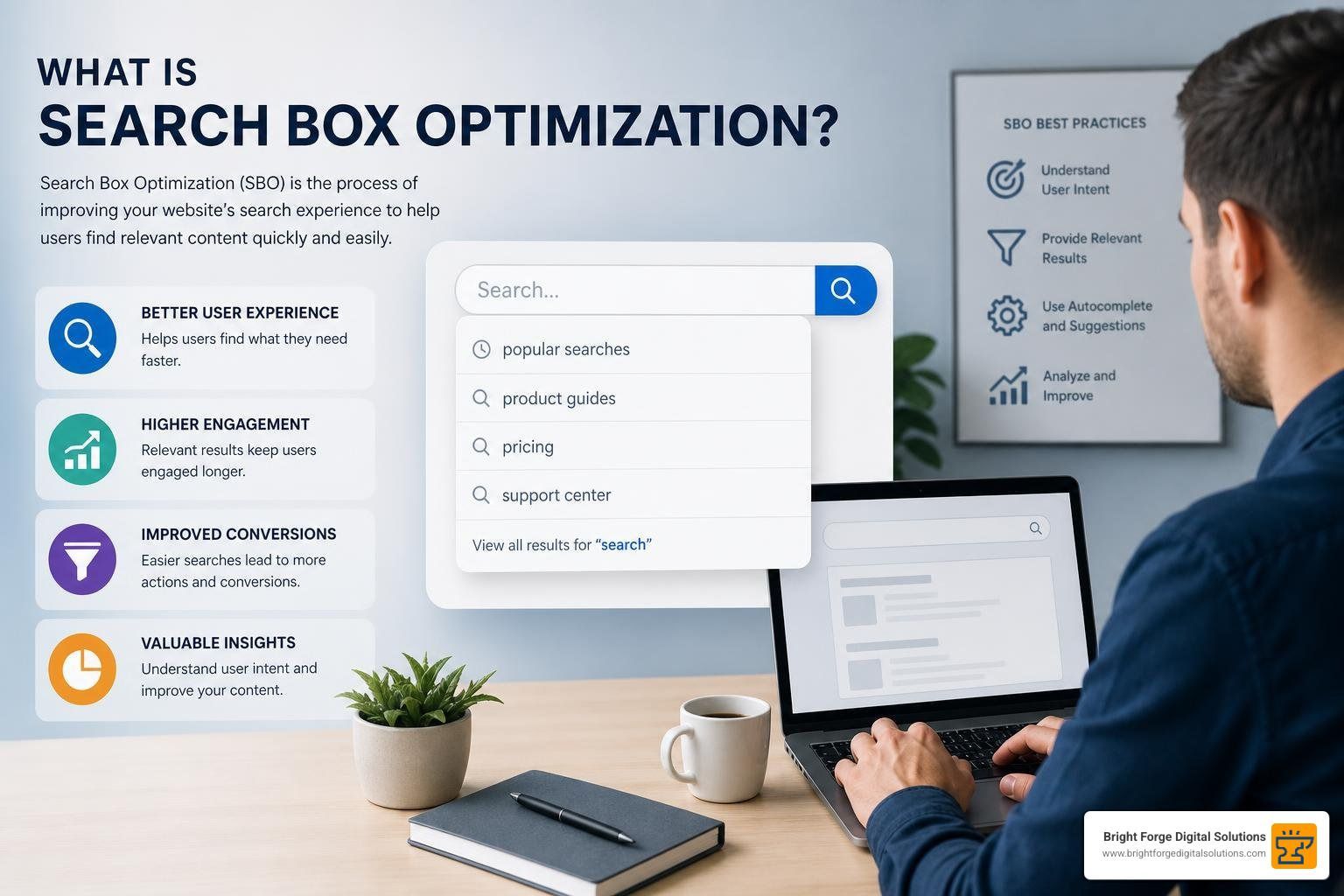
- Interactive Q&A and Search Sections: Accordion-style FAQ modules keep pages clean while letting users expand only the specific questions relevant to their situation.
- Google Web Stories and Interactive Guides: Short visual stories and downloadable step-by-step guides (e.g., “The Essential Checklist Before Filing for Divorce” ) allow visitors to learn at their own pace while establishing your firm's authority.
Audience Niching Strategy and Credibility Balancing
Every family law firm serves a specific community, but your target client profile dictates how your site should look and feel. Tailoring your divorce attorney website design to resonate with distinct client demographics helps attract your ideal cases while maintaining broader accessibility.
Our specialized digital marketing Services help solo practices and small firms position their unique brand identities effectively without isolating potential clients.
How to Target Specific Demographics in Divorce Attorney Website Design
Whether your practice focuses on complex high-net-worth property division or offering empathetic guidance for mothers navigating custody disputes, niche visual design ensures your primary audience feels instantly understood.
| Target Audience | Design Focus & Visual Tone | Key Content Elements |
|---|---|---|
| High-Net-Worth Individuals | Sophisticated dark tones, crisp typography, minimalist layouts, subtle metallic accents | Focus on business valuation, executive compensation, asset protection, and discretion |
| Women & Mothers | Warm neutral palettes, soft organic shapes, imagery featuring supportive dialogue | Emphasis on child support, custody rights, emotional well-being, and post-divorce stability |
| Collaborative / Mediation Clients | Earthy greens and warm blues, open layouts, community-focused imagery | Highlight out-of-court resolutions, peaceful negotiation, co-parenting structures, and lower conflict |
Avoiding Cold Legal Jargon to Balance Authority and Approachability
One of the biggest mistakes law firms make is attempting to prove authority through dense legal language and Latin statutes. Terms like "interlocutory decrees," "pendente lite," or "equitable distribution" mean little to a distressed spouse searching for help on their phone at midnight.
To strike the right balance between professional credibility and warm approachability:
- Translate legal concepts into plain language: Explain what happens in everyday terms rather than quoting probate codes.
- Focus on client outcomes and feelings: Frame messaging around clarity, protection, fairness, and moving forward safely.
- Highlight professional badges cleanly: Place peer reviews, bar badges, and awards in dedicated, clean trust bars rather than letting them clutter the main content flow.
Common Web Design Mistakes That Cost Law Firms Cases
Even with strong search visibility, poor web design choices can drain your prospective client pipeline. Avoiding these widespread design pitfalls will protect your bounce rate and maximize consultation conversions:
- Aggressive Popups and Instant Live-Chat Overkill: Surfacing aggressive "Chat Now!" popups the second a user lands on your site creates friction and panic. Keep chat widgets subtle and user-initiated.
- Dense Walls of Text: Presenting long, uninterrupted paragraphs forces readers to work too hard to find answers. Use bullet points, bold key terms, and visual callouts.
- Confusing Navigation Patterns: Burying practice areas deep within nested submenus confuses visitors who need immediate clarity.
- Slow Page Load Speeds: High-resolution uncompressed photos and heavy script libraries cause delays. A slow site frustrates anxious users, driving them directly to a competitor's site.
- Cold, Institutional Branding: Designing a family law site that looks like an enterprise corporate defense firm creates an emotional disconnect for clients seeking empathy.
Frequently Asked Questions about Family Law Web Design
How does design psychology impact conversion rates for family law firms?
Design psychology directly influences how safe and confident a visitor feels when browsing your site. Stressed family law prospects make rapid sub-conscious judgments based on color, spacing, typography, and messaging tone. A calm, well-structured layout lowers anxiety, building the trust required for a user to schedule a confidential consultation.
What soft color palettes work best for a divorce law firm website?
Soft slate blues, muted teals, warm sage greens, and neutral taupes or warm creams work exceptionally well. These shades project professionalism and stability while avoiding the aggressive, confrontational feel associated with harsh dark colors or bright reds.
How can a family law firm feature video content without slowing down page load speed?
To maintain rapid page load speeds while utilizing video headers or lawyer introduction clips, host your video files on dedicated cloud streaming platforms like Vimeo or Wistia rather than uploading raw video directly to your web server. Utilize lazy-loading scripts, compressed WebM formats, and static preview thumbnails so video assets load seamlessly after core page elements render.
Conclusion
Your law firm’s website is frequently the very first conversation a prospective divorce client has with your practice. By prioritizing emotional branding, calming color palettes, intuitive navigation, authentic personal imagery, and low-pressure conversion paths, you transform your platform into a welcoming refuge for individuals in need of guidance.
At Bright Forge Digital Solutions, we specialize in helping solo practitioners and boutique family law firms build high-converting, performance-driven digital experiences. To learn how we can help your firm expand its local reach, rank on the first page of Google, and turn web visitors into loyal clients, explore our comprehensive Local SEO Playbook for Law Firms or reach out to our team today.